AI-Powered Browse Abandonment Emails: Recover Lost Interest Automatically
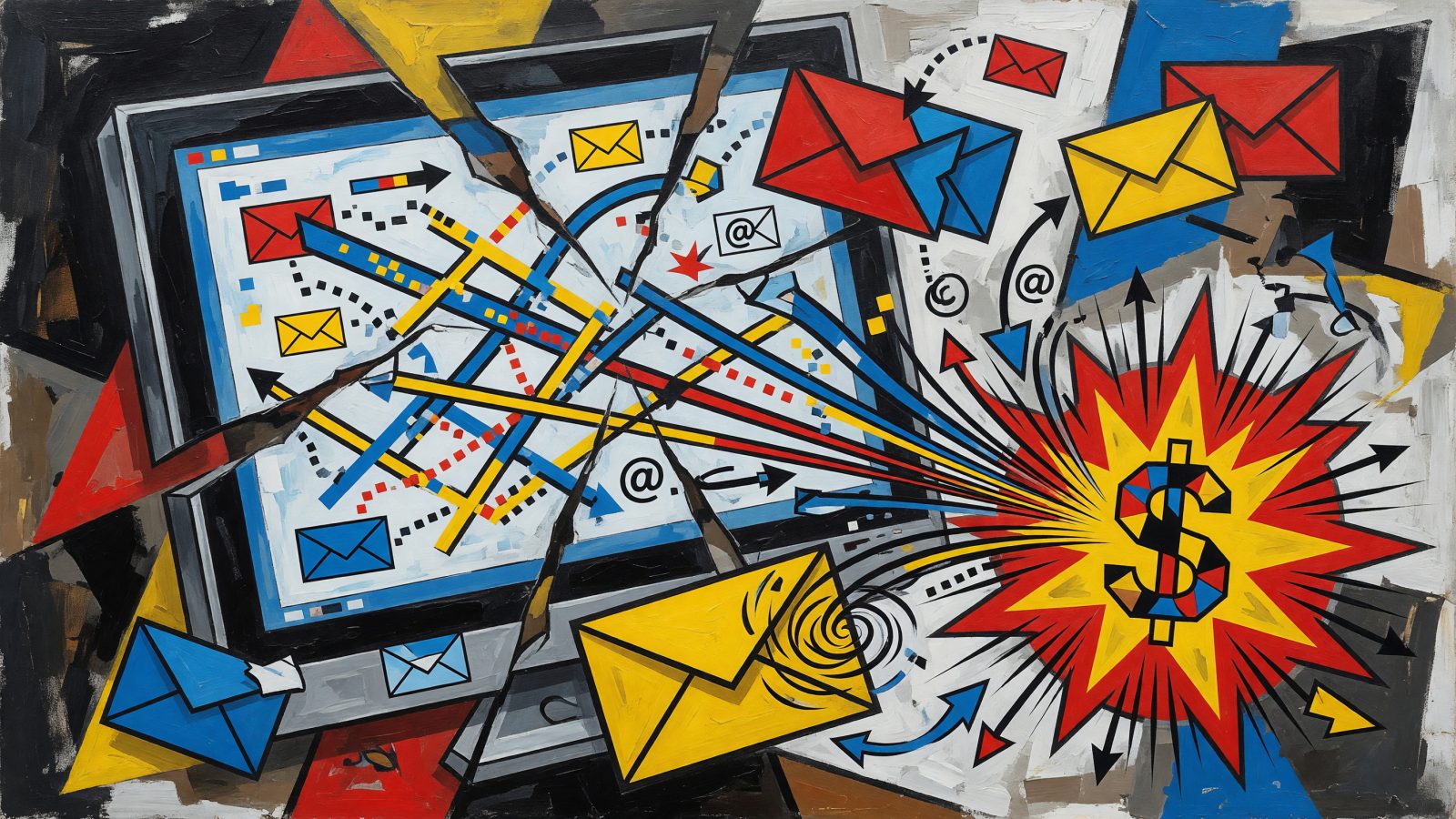
Picture this: a shopper lands on your online store, clicks through three different running shoes, reads reviews, compares prices, and then just… leaves. No cart, no purchase, no trace except a session log. That’s browse abandonment. And it happens way more than you think. Across e-commerce, over 70% of visitors browse products and vanish. That’s not just a missed opportunity—it’s a revenue leak you can plug with AI.
Understanding Browse Abandonment and Its Revenue Potential
Browse abandonment isn’t the same as cart abandonment. Cart abandonment means someone added an item and bailed. Browse abandonment is earlier: they viewed products, maybe lingered on a page, but never clicked “add to cart.” It’s a softer signal, but still packed with intent. Metrics like time on page, scroll depth, repeat visits, and even the device they use tell you a lot. A visitor who spends three minutes comparing two jackets and scrolls through size charts is clearly interested. A quick bounce from a blog post? Not so much.
Traditional email triggers treat all browsers the same. You get a generic “Thanks for stopping by” message a day later. That’s rule-based, static, and often misses the mark. AI flips that. It reads the nuance—how many product pages, which category, did they hover over a sale badge—and decides if and when to send a recovery email. Suddenly, that anonymous browser becomes a warm lead you can automatically re-engage.
How AI Transforms Browse Abandonment Recovery
AI doesn’t just look at page views. It digests granular behavioral data: mouse movements, exit intent, time between clicks, even how far they scrolled on a product description. That data feeds models that gauge intent. A shopper who views three items in the same category and compares prices is likely in buying mode. Someone who bounces after 10 seconds on a single page probably isn’t.
From that analysis, AI generates personalized product recommendations. Not a static “best sellers” block, but items directly tied to the browse history. If they looked at a blue dress, the email might show that dress, a similar style in their size, and a complementary handbag—all pulled in real time. Subject lines get the same treatment. Instead of “We miss you,” natural language generation crafts lines like “Still thinking about the Nike Pegasus?” or “Your size is selling fast.” It adapts to urgency cues: if inventory is low, it might add “Only 3 left.”
The real magic is real-time optimization. Machine learning models can A/B test images, CTAs, and offers at the individual level. Did the shopper spend extra time on sale items? The AI detects price sensitivity and includes a limited-time 10% off code. Did they read reviews? The email features a testimonial snippet. Every element is tailored, and the system learns what works for each segment—sometimes each person—without you touching a single rule.
Top AI Tools and Integrations for Automated Recovery
You don’t need to build this from scratch. Several tools plug directly into Shopify, Magento, WooCommerce, and popular ESPs like Klaviyo, Mailchimp, and SendGrid. Barilliance, for example, identifies anonymous browsers via cookies and triggers personalized browse abandonment emails without requiring a login. Blueshift and Optimove use AI to orchestrate cross-channel journeys, pulling browse data into email, SMS, and push. Dynamic Yield specializes in real-time personalization across the entire site and email.
For retail-specific needs, Bluecore and Zeta Global map customer journeys and predict next-best actions. ESPs are stepping up too: Klaviyo’s predictive analytics can power browse abandonment flows based on predicted purchase likelihood. Mailchimp’s customer journey builder now includes smart product recommendations. Most of these tools integrate via APIs or pre-built connectors, cutting setup from days to hours. You connect your store, define a trigger event (e.g., viewed 2+ products, session over 60 seconds), and let the AI handle the rest.
Predictive Personalization: Timing, Content, and Offers
Timing matters as much as content. AI’s predictive send-time optimization analyzes each recipient’s past open patterns and chooses the moment they’re most likely to engage. For a repeat visitor who always opens emails at 8 PM, the browse abandonment message lands at 8 PM, not 10 AM when it would get buried.
Content optimization goes deeper. The AI selects the top-performing template, hero image, and copy for that individual. It might show lifestyle imagery for a fashion buyer, but technical specs for an electronics shopper. Offer personalization gets surgical: predicted lifetime value and price sensitivity models decide whether to send free shipping (for high-intent, full-price shoppers) or a modest discount (for hesitant browsers). Imagine a visitor who has viewed the same coffee grinder three times in two days, always on the product page, but never adds to cart. AI predicts high intent with price resistance and triggers an email within an hour containing a 5% off coupon and a note about free returns. The discount is just enough to tip the scale without eroding margin.
Real-time data layers make it hyper-relevant. Weather APIs can trigger emails featuring umbrellas when it’s raining locally. Inventory levels add urgency: “Only 2 left in your size.” Location data can highlight nearby store availability. It’s not creepy—it’s contextual. And it works.
Implementing AI-Driven Browse Abandonment Emails: Best Practices
Start with balance. Urgency works, but over-messaging kills trust. Set frequency caps so a single browser doesn’t get multiple recovery emails in a week. Suppress the browse abandonment email if they’ve already received a cart abandonment message for the same product. You’re recovering interest, not spamming.
Ethical data use is non-negotiable. Get clear cookie consent, follow GDPR/CCPA rules, and make opt-outs easy. Transparency builds long-term loyalty. A/B test your AI-driven emails against static campaigns to quantify the uplift. Most brands see 20–40% higher click-through and conversion rates once AI personalization kicks in. Monitor key metrics: open rate, click rate, conversion rate, revenue per recipient, and unsubscribe rate. If unsubscribes spike, your frequency or tone is off.
One online fashion retailer we worked with switched from a generic browse abandonment template to an AI-powered flow with dynamic product recommendations and predictive send times. Within three months, their recovery rate jumped 35%. They didn’t send more emails—they sent smarter ones.
The tools are ready, the data is there, and your competitors are already testing the waters. Browse abandonment isn’t a lost cause. It’s just a conversation you haven’t started yet. Let AI do the heavy lifting, and watch those silent browsers turn into buyers.
Keep reading
AI-Powered Email Accessibility Alt Text Automation: Ensure Every Image Tells Its Story to All Subscribers

AI-Powered Weather-Triggered Emails: Automate Hyper-Relevant Campaigns That React to Local Conditions