AI-Powered Email Journey Mapping: Visualize and Optimize Every Subscriber Touchpoint
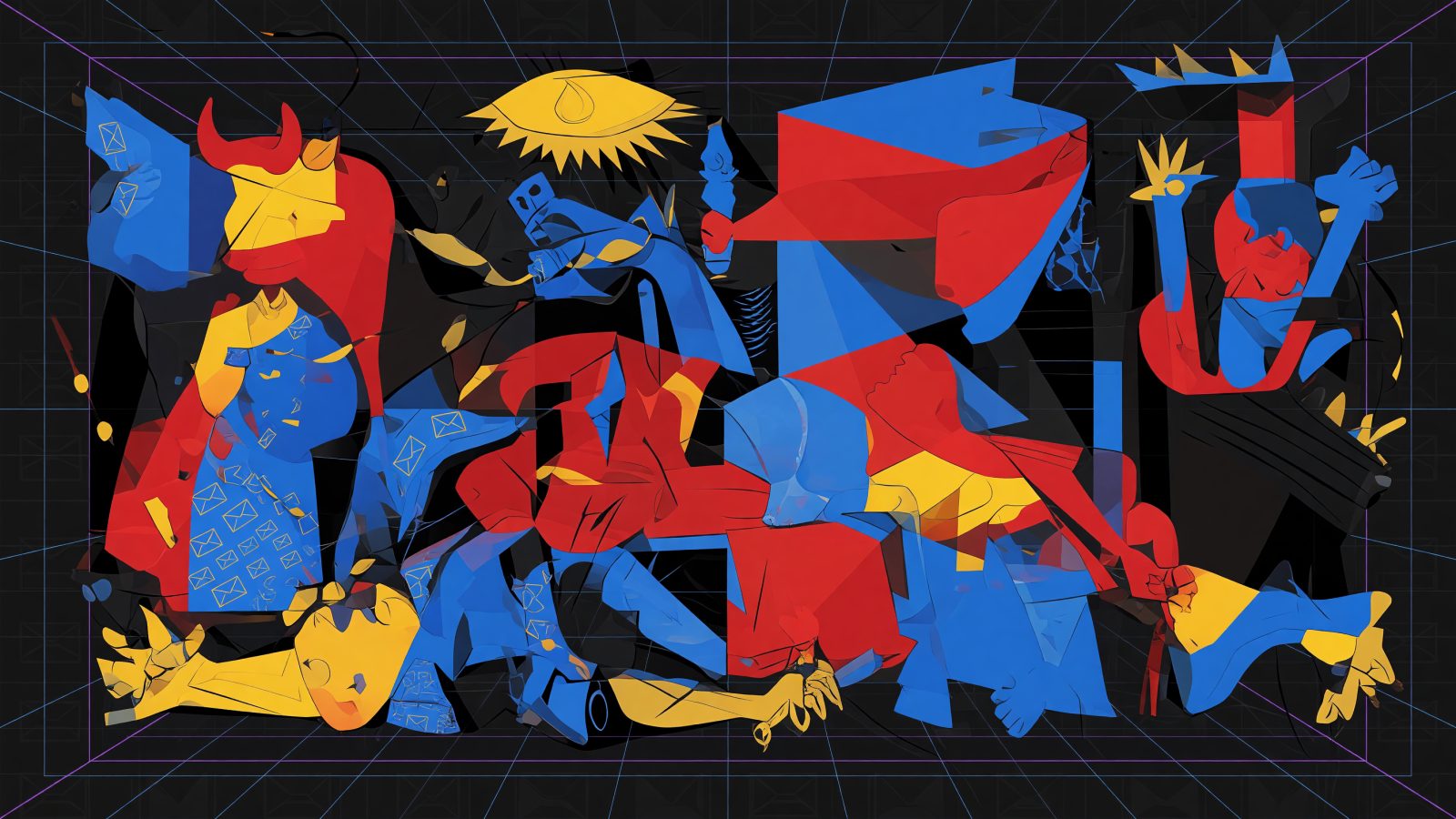
You spend hours on a whiteboard, mapping the “ideal” subscriber path. But real behavior is messier. That new lead who signed up via a contest doesn’t care about your educational series. The loyal customer who just bought three times might be two missed emails away from ghosting you. Manual journey mapping can’t keep up. It’s static, siloed, and blind to what subscribers actually do. Enter ai email journey mapping. It stitches live data from your ESP, CRM, and website to visualize the real paths people take—and then automatically optimizes each touchpoint.
Why Traditional Email Journey Mapping Fails Modern Marketers
A recent Forrester survey found 74% of marketers can’t connect email engagement to other channels. That’s a huge blind spot. Manual mapping on spreadsheets or whiteboards can’t capture the fluid, cross-device behavior of today’s subscribers. You get a snapshot of what you hope they’ll do, not what they actually do.
Take a D2C brand I know. They ran a contest popup to grow their list, then fed every new sign-up into the same welcome flow used for product-page subscribers. But 30% of contest entrants never opened a single welcome email. The reason was clear only in hindsight: intent mismatch. Those people wanted the prize, not product tips. Manual mapping lumped everyone together and never surfaced that drop-off. With ai email journey mapping, platforms like EmailFlow AI automatically ingest data from Shopify, Klaviyo, and HubSpot. They immediately see that contest sign-ups follow a different engagement path and flag the leak in hours, not months.
How AI Unifies Data to Build a Living Subscriber Journey Map
AI email journey mapping starts by connecting your tools. EmailFlow AI’s connectors pull behavioral and profile data from Mailchimp, ActiveCampaign, Salesforce, Google Analytics 4, and even support tickets. It builds an identity graph for each subscriber, no manual stitching required.
Machine learning then looks at event sequences—email opens, site visits, purchases, cart abandonment—and clusters users into dynamic journey stages. Not static lists. One stage might be “onboarded but disengaged after 7 days.” A B2B SaaS company using EmailFlow AI discovered that trial users who opened three onboarding emails but never watched the demo video had a 90% churn rate. The AI flagged that as a critical drop-off hotspot.
The platform visualizes this with a Sankey diagram flowing between stages, showing real-time metrics like volume and conversion. At each node, it overlays AI-recommended interventions—send a how-to video, trigger a personalized follow-up, or route to a sales rep. The map lives and breathes with every subscriber action.
Automated Segmentation and Next-Best-Action at Every Stage
But AI doesn’t just map. It automatically creates micro-segments based on the exact path a subscriber takes. For example, users who opened a re-engagement email but didn’t click get grouped separately from those who clicked but didn’t buy. That granularity matters.
For each micro-segment, the AI predicts the next best action. It might suggest a specific offer, subject line, or even a channel switch—like sending an SMS when email fails. A retail brand using EmailFlow AI had a segment of “cart abandoners who read price-drop emails but never converted.” The AI recommended a limited-time free shipping offer because its model showed a 25% higher conversion rate over generic discount codes.
The platform also runs ongoing A/B tests to refine these recommendations automatically. Segments and actions improve without you ever touching a spreadsheet. That’s ai email journey mapping turning insights into immediate revenue.
AI-Driven Content Personalization Across the Full Lifecycle
Once the journey map and segments are live, AI can tailor email content to each person and stage. Take a win-back campaign for lapsed subscribers. The AI analyzes past engagement to see if someone responds better to video, long-form articles, or discount-heavy language. It then auto-fills the template with personalized elements—no guesswork.
EmailFlow AI’s content engine uses GPT-based models to write subject lines and body copy in your brand voice, while pulling relevant product images dynamically from your catalog. One fitness app saw a 40% increase in reactivation rates when AI personalized win-back emails with class recommendations based on the subscriber’s previously viewed classes. That kind of relevance at scale is impossible with manual segmentation. It’s ai email journey mapping making every message feel hand-picked, even across a list of 100,000.
From Insights to Impact: Implementing AI Journey Optimization Step by Step
So how do you actually start? Here’s a four-step framework:
- Connect your data sources and let AI build the initial journey map.
- Identify the top three drop-off hotspots from the AI’s diagnostic report.
- Activate AI-recommended segments and content for those hotspots.
- Monitor performance dashboards and let the AI auto-adjust.
A few pro tips: begin with a single lifecycle stage like onboarding to prove ROI, make sure your ESP sends event data in real time so the map stays accurate, and involve customer success agents to label journey outcomes—this trains the models better. Privacy is non-negotiable. EmailFlow AI uses only first-party data, gives clear explainability for every recommendation, and complies with GDPR and CCPA.
Gartner predicts that by 2025, brands using AI journey mapping will outperform peers by 20% in customer lifetime value. Start now, while the gap is still an advantage you can build.
Manual journey mapping is guesswork disguised as strategy. AI email journey mapping replaces that guesswork with a living, breathing map that updates in real time and acts on its own. You won’t just see where subscribers drop off—you’ll know exactly what to do about it. And the system gets sharper every day. The brands that win in email this year aren’t the ones with the biggest lists. They’re the ones that understand every twist and turn of each subscriber’s path. With AI, that understanding isn’t a luxury. It’s a switch you flip.
Keep reading
AI-Powered Email Marketing for Influencers: Automate Fan Engagement and Sponsorship Deals
AI-Powered Email Cross-Sell Automation: Turn One Purchase into a Bundle of Revenue