AI-Powered Email Marketing for Authors: Automate Reader Engagement and Book Launch Campaigns
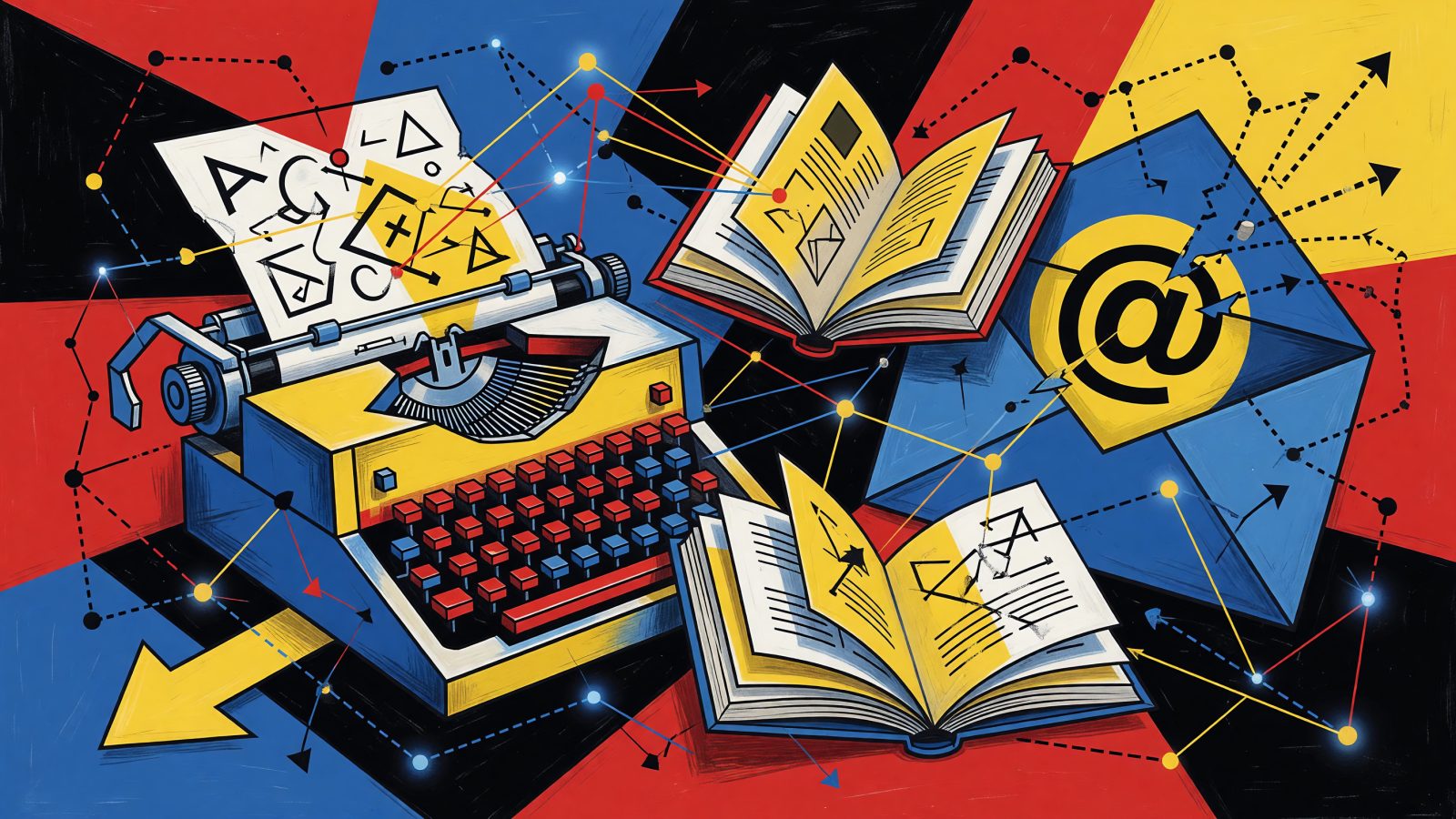
Most authors pour months into a manuscript, then cross their fingers and hope readers show up. That’s a fast track to disappointment. The authors who actually build careers know a different truth: your email list is the only direct line to readers you truly own. Algorithms change, social platforms fade, but a well-nurtured list delivers launches, reviews, and steady backlist sales. The catch? Managing that list manually eats up writing time. That’s where ai email marketing for authors flips the script—automating the tedious stuff so you can write more books while your reader relationships grow on autopilot.
Why Authors Need AI Email Marketing
You lose roughly 75% of potential readers if you never capture an email address. AI changes that math fast. Instead of a static “sign up for updates” form, you can offer a free short story or sample chapter that’s automatically delivered based on the genre a visitor is browsing. That alone tripled list growth for a romance author I know—she went from 50 new subscribers a month to over 150 by letting AI rotate lead magnets based on referral source.
Once those readers are on your list, AI segmentation stops you from blasting everyone with the same newsletter. That same romance author used ConvertKit’s AI-powered tagging to separate readers who clicked on contemporary romance links from those who engaged with historical content. Open rates jumped from 20% to 45% because each group got emails that actually matched their taste. You’re not writing more emails; the AI just routes the right message to the right person.
Time savings hit hard too. Before AI, a typical author newsletter took five hours to draft, segment, and test. Now, tools like MailerLite’s AI subject line generator and ConvertKit’s visual automation builder cut that to 30 minutes a week. And the real power move? Predictive scoring. AI analyzes past opens, clicks, and purchase behavior to flag readers most likely to buy your next release. A thriller author ran a launch where AI-identified high-intent subscribers got early-bird pricing—launch day sales beat her previous record by 30%.
Automating Reader Welcome and Onboarding Sequences
When a reader downloads a free book via BookFunnel, the clock starts. Sending that first welcome email within one hour gets you 4x higher open rates than waiting a day. AI makes that instant. A 5-email welcome sequence triggers the moment the download completes, and every message feels personal because AI pulls in the reader’s name, the book they grabbed, and the genre tag attached to the signup source.
A fantasy author I work with turned her welcome sequence into a “choose your adventure” style quiz. Email two asks: “What kind of fantasy world pulls you in?” Based on the click, AI tags the reader as “epic fantasy” or “urban fantasy.” By email four, the reader gets a short story from that exact subgenre. Engagement spiked, and those tagged readers now open future emails at 60% because they know the content fits.
Don’t skip the survey. Email three in the sequence can ask about favorite tropes—enemies-to-lovers, found family, a twisty mystery. AI parses those free-text answers and automatically assigns micro-tags. Later, when you release a book heavy on a trope, the AI knows exactly which segment to notify. You never manually sort a spreadsheet again.
AI-Powered Book Launch Campaigns
Launching a book without data is guesswork. AI flips that by analyzing your list’s historical open and click patterns to predict the best launch date. It might spot that your readers engage most on Thursdays in October, so it schedules a 30-day countdown sequence accordingly. No more picking a date because “it felt right.”
Launch week gets smarter too. AI can A/B test two subject lines for your announcement email—say, “It’s finally here” versus “Your next favorite read”—and automatically send the winning version to the remaining 80% of your list. A sci-fi author ran this and saw a 22% higher click-through to Amazon when the AI also swapped in dynamic book cover images in the email footer based on each reader’s past genre clicks.
Post-launch, AI watches who clicked through to the retailer, who redeemed a coupon, and who did neither. Buyers get a review request sequence; browsers get a gentle nudge with a sample chapter. Then the AI generates personalized “what to read next” suggestions based on what they just bought. One author’s backlist sales rose 15% in the month after launch purely from those automated follow-ups.
Personalized Reading Recommendations and Backlist Promotion
Your backlist is a goldmine if you can surface the right book at the right time. AI tags readers by series completion—someone who read all three books in a trilogy gets an automated coupon for the first book in your next series. No manual tracking needed.
Dormant readers are a quiet revenue leak. AI spots them by flagging subscribers who haven’t opened an email in 90 days but used to engage heavily. It triggers a re-engagement email with a free short story as a lure. A mystery author used this tactic: readers who had clicked on a specific detective’s name in past emails got a prequel novella offer, and 18% converted back into active buyers.
Dynamic content blocks are another AI win. Your newsletter can show different book covers to different readers based on their most-clicked genre. One author saw a 35% increase in click-throughs after implementing this. And when you announce a new release, a predictive model forecasts which backlist titles will see renewed interest. It automatically queues a promotional email for those older books, timed perfectly with the launch buzz—no guesswork.
Managing ARCs and Identifying Superfans with Predictive AI
Advanced reader copies (ARCs) can make or break a launch, but sending them to random applicants wastes copies. AI scores ARC candidates by influence—social media followers, review history, past open rates on your emails—so you can prioritize the top 100 reviewers likely to actually post. A contemporary romance author used this approach and got 80% of her superfan ARC readers to post reviews within two weeks.
Defining a “superfan” gets precise with AI. It’s not just someone who opens emails; it’s someone who opens 90% of them, clicks 5+ times per campaign, and has bought multiple books. AI automatically tags these readers and sends them exclusive ARC invites before the general list. They’re your launch team on standby.
After ARCs go out, AI analyzes the sentiment in feedback form responses. It predicts which reviewers will leave positive Amazon reviews and automatically sends a thank-you note plus an early invitation for the next book’s ARC. Meanwhile, tools like BookFunnel track download-to-review conversion rates, and AI flags reviewers who consistently underperform so you can remove them from future lists. The result: a lean, high-output ARC process that saves hours of manual vetting.
There’s a bigger picture too. AI calculates “reader lifetime value” by combining purchase history and email engagement. You’ll see that the top 20% of your list generates 60% of your revenue. That knowledge lets you focus personal outreach—a handwritten note, a Zoom call invite—on the readers who truly sustain your career.
Integrating AI Email Marketing with Your Author Stack
Your email platform shouldn’t live in a silo. Connect MailerLite or ConvertKit to your author website via API, and AI syncs subscriber data with purchase history from Amazon affiliate tags. Suddenly you have a unified profile: this reader loves your thrillers, bought the last two on release day, and clicks on character backstory links. That’s gold for targeting.
Automation tools like Zapier let AI trigger emails based on off-platform actions. When a reader reviews your book on Goodreads or follows you on BookBub, a “thanks and here’s a bonus scene” email fires instantly. A non-fiction author used this to automate review requests: the moment a reader purchased via a unique Amazon link, a 3-email sequence kicked off asking for a review. Response rate hit 12%, up from 2% with manual outreach.
AI also monitors deliverability behind the scenes. It checks spam scores, bounce rates, and adjusts send times to each reader’s timezone. That simple tweak can lift open rates by 8%. For authors using BookFunnel to deliver freebies, AI triggers a “thank you and next step” email immediately after download, then adds the reader to a nurture sequence based on the book’s genre—all without you touching a button.
The thread running through all of this is simple: ai email marketing for authors isn’t about replacing the personal touch. It’s about scaling it. You still write the stories. You still craft the voice. The AI just handles the timing, the segmentation, and the repetitive tasks that pull you away from the keyboard. The authors who embrace it now are the ones who’ll have thriving, loyal readerships five years from now—while the rest are still hoping their next tweet goes viral.
Keep reading
AI-Powered Email Marketing for Influencers: Automate Fan Engagement and Sponsorship Deals
AI-Powered Email Cross-Sell Automation: Turn One Purchase into a Bundle of Revenue