
AI-Powered Email Marketing for B2B: Automate Complex Sales Cycles and Boost Revenue
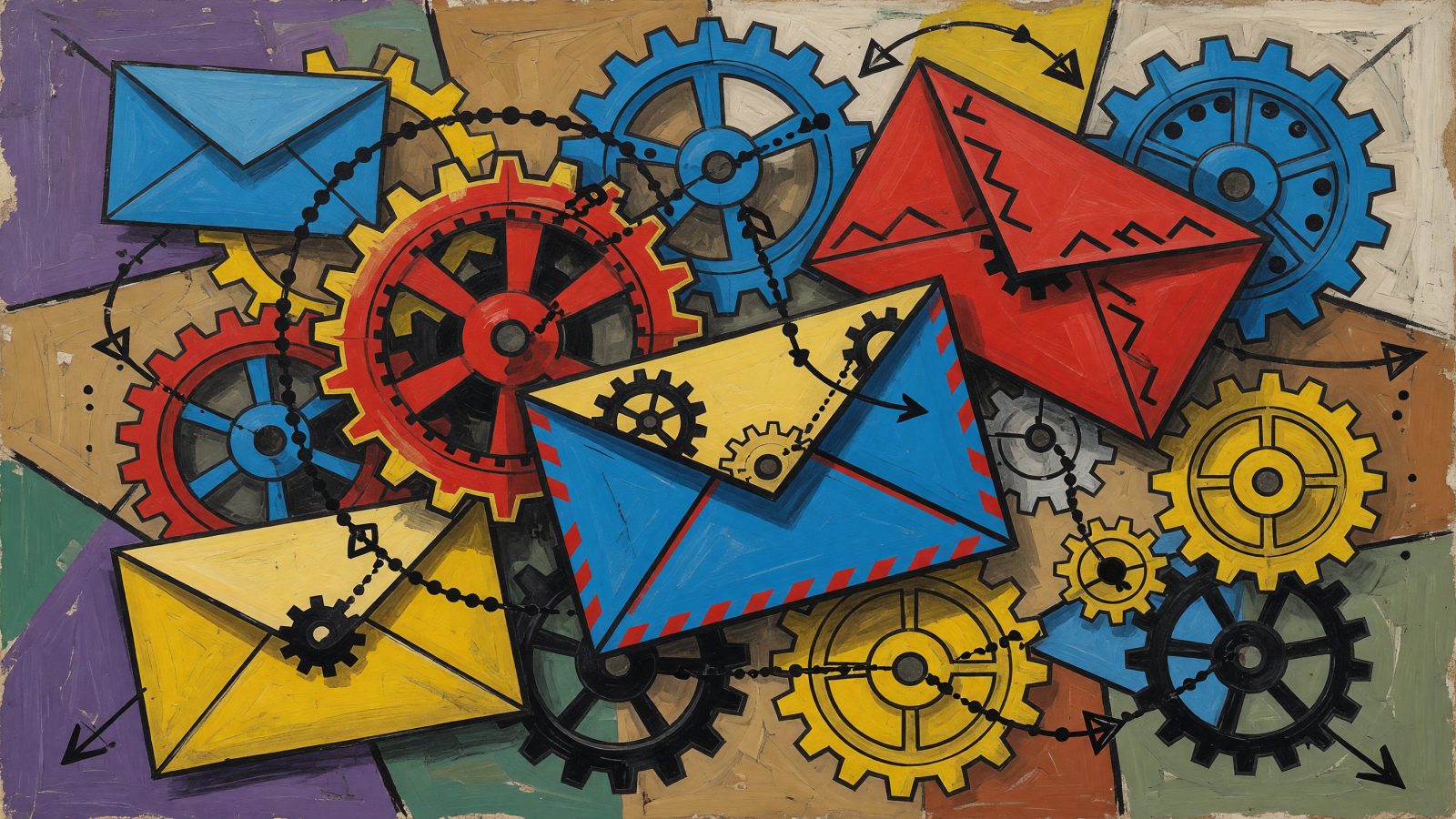
You’ve got a complex B2B product. A buying committee of six to ten people. A sales cycle that drags on for three to six months. And your email marketing? It’s still sending the same generic blast to everyone. That’s a recipe for ignored inboxes and a CRM full of stalled deals.
AI email marketing for b2b changes the game. It doesn’t just automate—it reads the room. It analyzes past deals, tracks intent signals, and serves up the right message to the right stakeholder at the right time. Early adopters are seeing conversion lifts of up to 20%, because their emails finally match how B2B buyers actually decide.
Account-Based Personalization at Scale
You can’t personalize for a dozen contacts per account by hand. AI can.
Tools like 6sense and HubSpot’s AI layer pull in CRM data—industry, job role, recent content engagement, even technographic details—and dynamically shape the email experience. It’s not just “Hi {first_name}.” It’s a full narrative shift based on what matters to that specific stakeholder.
Say you’re targeting a manufacturing company. The CFO sees a subject line about cutting operational costs by 18% and a body that leads with ROI data. The plant manager on the same account gets an email focused on reducing downtime with real-time monitoring. The IT lead hears about API integrations and security certifications. All from the same campaign, built automatically.
This is where AI email marketing for b2b stops being a batch-and-blast tool and starts acting like a skilled sales rep. It pulls from CRM fields, email engagement history, and third-party intent data to decide which version of a message lands. No manual segmentation. No endless template variations. The system learns which angles convert and adjusts on the fly.
Predictive Lead Scoring That Moves Deals Forward
Rule-based scoring is brittle. Opens an email? +5 points. Visits pricing page? +10. It’s a blunt instrument that ignores context.
Machine learning models flip that. They look at hundreds of signals—email clicks, website visits, firmographic fit, even the velocity of recent activity—and assign a probability to an account progressing to the next deal stage. Platforms like Salesforce’s Einstein Lead Scoring or tools like Infer surface a “deal progression probability” for each contact. That number tells you who’s warming up and who’s going cold.
The real power comes when AI triggers actions based on those scores. A contact who’s been dormant for two weeks but suddenly spikes in engagement? The system auto-enrolls them in a re-engagement sequence. A lead that’s been hovering at the “proposal” stage without movement? Marketing gets an alert to send a competitor comparison guide. Sales gets a notification to make a call. You stop guessing and start responding to actual buying signals.
One B2B SaaS company using predictive scoring cut their average sales cycle by 12 days. They weren’t sending more emails. They were sending the right ones to people who were ready.
AI-Generated Content for Every Stakeholder
Your CEO cares about risk. Your VP of engineering cares about uptime. Your procurement lead cares about contract terms. Writing unique emails for each is a full-time job—unless you let generative AI handle the heavy lifting.
Tools like Jasper and Copy.ai can produce persona-specific email variants from a single brief. You feed the system your product details, the target account’s industry, and the stakeholder’s role. It generates three distinct versions: one that speaks ROI to finance, one that digs into technical specs for IT, and one that reassures legal about compliance.
Persado takes it further with emotion AI. It tests subject lines and CTAs to see which emotional triggers—urgency, curiosity, exclusivity—perform best for a given segment. A CISO might respond to “The compliance gap your audit missed” while an IT manager clicks on “How Acme Corp cut deployment time by 40%.”
AI-driven A/B testing then runs thousands of micro-experiments. You’re not waiting weeks for a winner. The system learns in real time which message elements drive clicks and automatically shifts traffic to the top performer. In campaigns I’ve seen, this approach lifted click-through rates by up to 30% without adding any manual effort.
Sequences That Adapt as Buyers Move
Static drip campaigns don’t work when buying committees zigzag through your content. A lead reads a case study, ignores two follow-ups, then suddenly visits your pricing page. A traditional sequence would keep sending the same scheduled emails. An AI-powered sequence adapts.
Integrations between platforms like Outreach or Salesloft and intent data providers (6sense, Bombora) make this real. The moment a contact shows a high-intent action—say, downloading a competitor comparison or attending a webinar—the sequence branches. The next email might be a direct invitation to book a demo with their account executive, skipping the middle-of-funnel nurture content entirely.
Send-time optimization adds another layer. Tools like Seventh Sense analyze each contact’s historical open patterns and deliver emails when that person is most likely to engage. Not at 10 a.m. Tuesday because that’s when you hit send. For one B2B client, this alone pushed open rates up by over 30%.
The combination—behavioral branching plus personalized timing—turns email into a responsive channel. It feels less like marketing and more like a conversation that picks up right where the buyer left off.
Aligning Sales and Marketing with Shared AI Insights
Misalignment kills pipeline velocity. Marketing qualifies a lead, hands it to sales, and then… nothing. Or sales works an account while marketing keeps blasting generic emails that undermine the conversation.
AI email marketing for b2b bridges that gap by pulling engagement data and CRM activity into a single view. Both teams see the same predictive scores, the same content interactions, the same account heatmaps. When a target account’s engagement spikes across three contacts in two days, sales knows to prioritize outreach. Marketing knows to pause broad campaigns and send a personalized air cover email to the economic buyer.
Platforms like HubSpot and Salesforce Einstein create a feedback loop. Sales flags an account as “stalled,” and the AI automatically enrolls it in a nurture track with content proven to re-engage similar profiles. Marketing sees which email topics drive the most downstream pipeline, so they double down on those themes. The result isn’t just better emails—it’s a tighter, faster revenue engine.
If your B2B email still runs on rules and manual segmentation, you’re leaving deals on the table. The tools are here. The data is in your CRM. AI can turn that raw material into sequences that feel personal, score leads that actually convert, and give your sales team a clear signal on who’s ready to talk. That’s not just automation. That’s a competitive advantage.
Keep reading
AI-Powered Email Marketing for Influencers: Automate Fan Engagement and Sponsorship Deals
AI-Powered Email Cross-Sell Automation: Turn One Purchase into a Bundle of Revenue