AI-Powered Email Time Travel: Automate Perfectly Timed Holiday and Event Campaigns
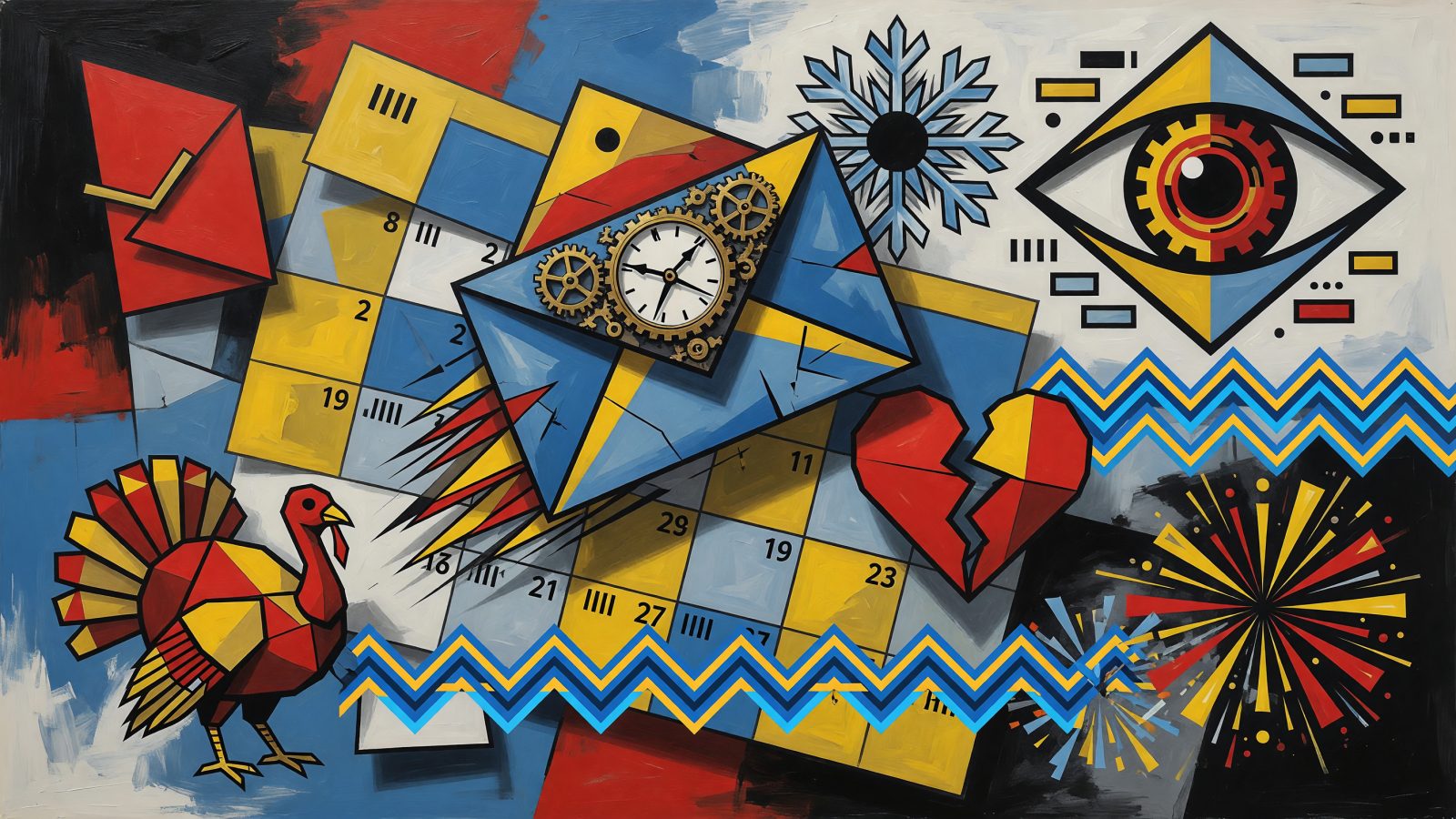
Most marketers know the panic. The calendar pings—Mother’s Day is two weeks out—and you scramble to throw together an email. Generic subject line. Same old template. Sent to everyone at 10 a.m. because that’s what you did last time. Open rates tank, unsubscribes spike, and you swear next year will be different. It rarely is. But AI is flipping that script. Instead of reacting, you can now run ai email holiday campaigns that plan themselves months ahead, land in inboxes at the exact moment each subscriber is ready to buy, and even write their own copy. This isn’t theory. It’s happening.
The AI-Powered Shift: From Reactive to Proactive
Litmus found 72% of small and midsize businesses start holiday email planning less than two weeks before the event. That mad dash breeds mediocrity. AI changes the timeline. It digs through years of your historical purchase data, engagement cycles, and real-time trends to predict what offer, content, and send window will work for each person.
Take a pet supply store. Their AI detects that cat owners who bought Halloween costumes in 2022 engaged most with emails sent at 7 p.m. on October 20. This year, it auto-schedules a similar campaign for October 18 with subject lines like “Whiskers still needs a costume, Sarah?”—pulled from the top-performing patterns. The result: timely, not spammy. The same logic makes a Mother’s Day brunch promo land when someone actually starts Googling gifts, not two weeks too early. Tools like Seventh Sense and Salesforce Einstein now bake this into their core, using predictive modeling to match cadence to each subscriber’s unique rhythm.
Predicting the Perfect Moment: Send-Time That Actually Works
Batch-and-blast at 10 a.m. is dead. AI-driven send-time optimization analyzes millions of open and click timestamps per user, then delivers your email at their personal peak. Klaviyo’s “Send Time Optimisation” and Mailchimp’s engagement-based scheduling do exactly that.
For a Father’s Day campaign, the system learns Jane opens on weekday evenings after 8 p.m. Her email lands at 8:15 p.m. Tuesday. Tom, a lunch-break browser, gets his at 12:30 p.m. This alone can boost open rates 30%. It doesn’t stop at static patterns. AI models adjust for seasonal shifts. That subscriber who usually opens at 9 a.m. might suddenly open at 6 a.m. during Black Friday to catch doorbusters—the system notices and adapts in real time, not just from last year’s average. Some platforms even layer in weather. Movable Ink can trigger a “Rainy Day Flash Sale” on umbrellas right before a local storm hits, making the message feel prescient. Brands using optimized send times report a 15–25% click-through rate lift and 10% fewer unsubscribes compared to mass blasts during the holidays.
Auto-Creating Holiday Magic: Copy and Visuals on Autopilot
Writing holiday emails is draining. AI tools like Jasper, Phrasee, and Writesonic generate dozens of subject lines and body copy variants that honor your brand voice, then A/B test them automatically. For Valentine’s Day, the engine might produce “Still looking for something sweet? 20% off chocolate gift boxes ends tonight,” having scanned past subject lines that cleared 40% open rates. The losing variant gets swapped without you touching a thing.
Visuals follow suit. Canva’s Magic Design or Adobe Firefly spit out email banners from a simple prompt like “Cyber Monday tech deals in neon blue.” Some tools go further, adapting template colors to match what that specific subscriber has clicked on before. Even better: AI assembles the email itself. It mixes modular blocks—a live countdown timer, a product carousel pulled from browsing history, a unique discount code—all within your ESP’s template. Each recipient gets a one-of-a-kind email, while you sleep. Grammarly’s tone detector and Phrasee’s brand filters keep the copy from sliding into pushy territory, so the holiday vibe stays helpful rather than desperate.
Real-Time Urgency That Converts Without the Cringe
False urgency trains customers to ignore you. AI fixes that by anchoring scarcity to real data. Dynamic countdown timers from tools like NiftyImages or MotionMail show the true time left for a sale, synced to each recipient’s time zone—“Only 4 hours for free shipping on Halloween costumes.” No fake “midnight” deadlines.
Inventory triggers take it further. When stock dips below a threshold, integrations with Barilliance or Optimonk insert “Only 2 left in your size!” directly into the email, pulled from live inventory. Abandoned cart emails get a seasonal upgrade: the exact product image, a countdown to the end of free gift-wrapping, and a one-time coupon code generated on the fly. Even social proof automates: FOMO or ProveSource populates a notification like “12 people in New York just bought the Christmas sweater you viewed.” Omnisend’s 2023 data shows brands using genuine, data-backed urgency see a 22% average conversion lift on holiday campaigns. The key: triggers based on facts, not hype.
Seamless Integration: Workflows That Remove the Scramble
None of this works if your tools don’t talk. Today’s AI connectors—native integrations with Shopify, WooCommerce, Magento, plus Zapier—pull real-time purchase behavior, cart data, and product feeds straight into your email platform. A holiday gift guide in Klaviyo can auto-populate with items the subscriber browsed but didn’t buy in the last week, filtered by a “Mother’s Day favorites” tag, then send without manual segmentation.
Many platforms now offer pre-built “Holiday Accelerators”—flows for Black Friday, Valentine’s Day, and others that activate on the calendar and learn from your past data. You’re not starting from scratch; the AI refines timing and offers based on what worked last year. Automated QA tools like Litmus Personalize check for broken dynamic elements, spam trigger words, and rendering glitches across 90+ email clients before you hit send, killing the 11 p.m. panic. Cross-channel orchestration ensures if a subscriber ignores your Halloween email, they get a coordinated SMS 24 hours later, while sentiment tracking prevents overkill. The whole thing runs without you micromanaging.
Measuring and Iterating: Staying Out of the Spam Folder
AI dashboards (Google Analytics 4 with intelligence, Mixpanel, or Mailchimp’s own) now predict revenue impact and flag spam risk before it tanks your domain. Sentiment analysis from tools like Reply.io scans reply emails to gauge how your audience really feels during the holiday flood. If tone veers wrong, you adjust in real time—critical when inboxes are saturated.
A/B testing automates: Optimizely or Convert Experiences test subject lines, send times, and urgency elements on a subset, then roll the winner to everyone without manual number-crunching. Health guardrails monitor bounces, complaints, and unsubscribes. If a Black Friday campaign hits a 14% complaint rate, the AI automatically cuts the next day’s sends to only highly engaged segments, saving your reputation. Over years, the system stores performance data for each holiday event and pre-loads optimized settings—best time, top subject line structure, ideal discount threshold—making every subsequent ai email holiday campaigns run leaner and smarter.
The last-minute holiday email scramble doesn’t just stress you out; it leaves money on the table. By handing the planning, personalization, and timing to AI, you turn seasonal campaigns into precision instruments. You stop guessing when Jane wants to see that Father’s Day gift idea or whether a “only 2 left” nudge will feel honest. The tech now exists to build, test, and send emails that feel like they arrived at just the right moment—because they did. Next holiday, your biggest effort could be simply turning the system on.
Keep reading
AI-Powered Email Marketing for Influencers: Automate Fan Engagement and Sponsorship Deals
AI-Powered Email Cross-Sell Automation: Turn One Purchase into a Bundle of Revenue