
AI-Powered Email UGC Automation: Turn Customer Content into High-Converting Newsletters
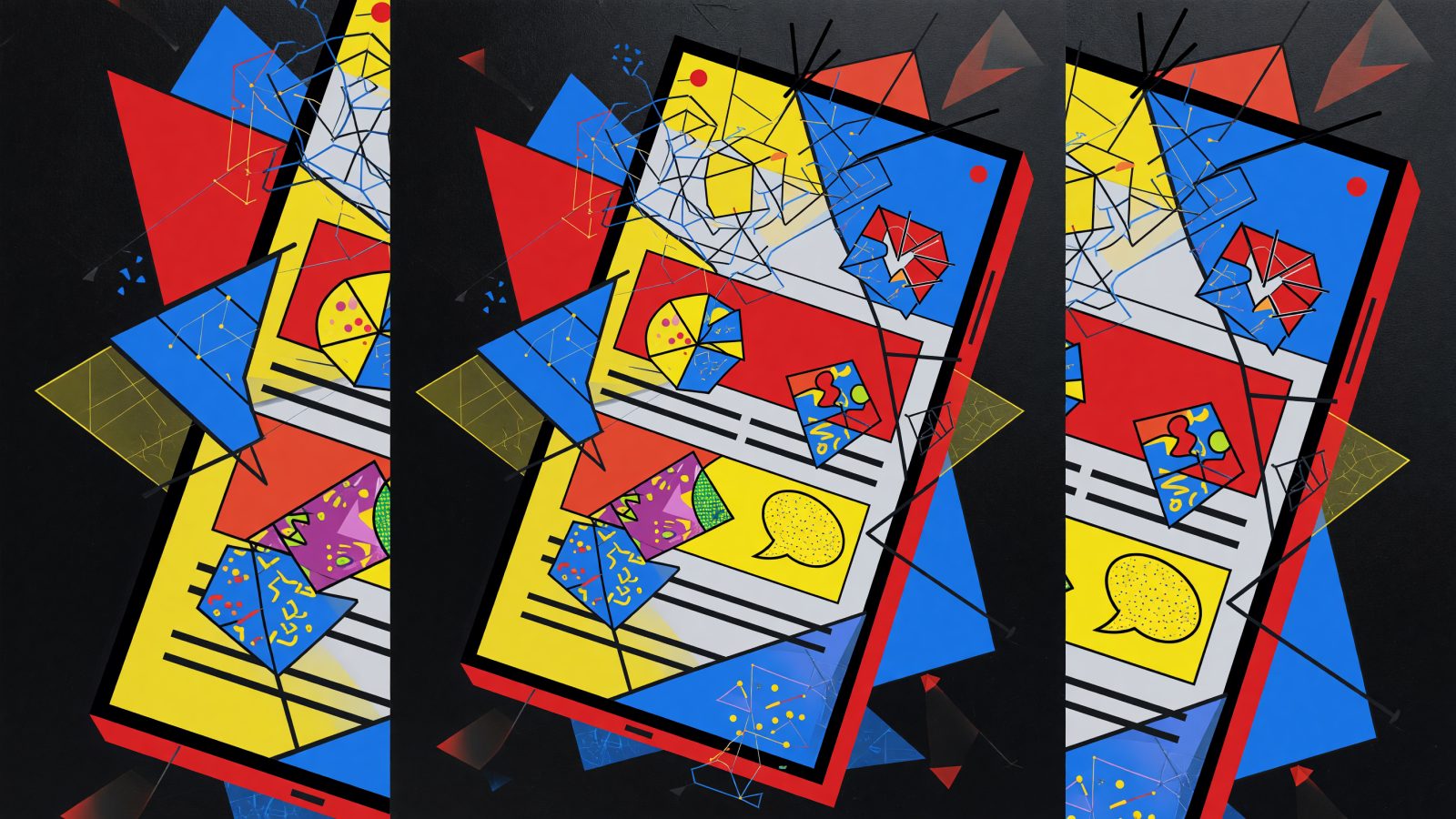
You know the feeling. You open your inbox and spot yet another brand email with glossy, over-produced product shots. Delete. Then you see one from a brand where real customers are front and center — messy bathroom selfies, genuine smiles, unboxing videos shot in someone's living room. You click.
That gap? It's massive. UGC-driven emails get 73% higher click-through rates and 4x higher conversion rates than standard promotional emails, according to Yotpo. And 92% of consumers trust peer recommendations over anything your marketing team can produce. The problem has always been getting that customer content into your emails without a full-time person spending their week scrolling Instagram, DMing strangers, and manually building galleries.
That's where AI changes the game.
What Actually Happens When You Put Customers in Your Emails
Look at Patagonia. Their weekly digest doesn't feature models on location shoots — it's actual customers climbing actual rocks in actual Patagonia gear. That shift produced a 5% lift in repeat purchases. They're not the only ones seeing results.
A skincare brand started embedding before-and-after selfies from customers in their product launch emails. Average order value jumped 25%. Not because the photography got better — the photos were objectively worse than brand shots — but because they were real. When a subscriber sees someone with their exact skin concern getting results, that's not marketing anymore. That's proof.
UGC transforms passive subscribers into community participants. Someone tags your brand on Instagram, you feature them in your newsletter, and suddenly they're forwarding that email to friends. That loop between social engagement and email ROI is what most brands leave untapped, simply because the manual work is crushing. AI removes that bottleneck.
How AI Collects and Curates Your Customer Content
Tools like TINT, Taggbox, and Yotpo now scan Instagram, TikTok, and review sites automatically, pulling every tagged post and brand mention in real time. You set the rules. They do the scrolling.
Here's how it plays out: A fashion label sets up auto-collection for #MyBrandStyle. Every Instagram post with that hashtag lands in their UGC dashboard. No manual searching. Then computer vision AI filters out blurry shots, off-brand imagery, or content with inappropriate backgrounds. From 500 submissions to a clean gallery of 40 usable images in about three minutes.
Sentiment analysis takes it further, scoring each piece of content and surfacing the smiling faces, the positive reviews, the high-engagement posts. You prioritize what actually moves people.
EmailFlow AI's UGC module connects social feeds directly to your ESP. You drag and drop curated customer galleries into newsletters without touching code. Permission requests — the legal part everyone dreads — get handled by AI-generated Instagram DMs or emails that ask for usage rights automatically. Brands using automated rights requests report an 80% reduction in manual outreach time.
Showing the Right UGC to the Right Person
Generic UGC galleries underperform. Here's what personalization looks like in practice.
A fitness brand analyzes subscriber purchase history and browsing behavior. The yoga mat owner sees UGC featuring yoga mats. The person who just bought dumbbells gets weightlifting photos. With Nosto handling those dynamic UGC blocks, click-through rates rose 19%. This isn't one-size-fits-all anymore.
Movable Ink powers real-time content blocks that select the most relevant photo or review at the exact moment someone opens the email. If that subscriber just browsed running shoes, the hero image refreshes to show a customer running in those shoes. Device detection kicks in automatically — carousel on mobile, grid on desktop. Mobile engagement improves 22% with format optimization alone.
Behavioral triggers close the gap between browsing and buying. Cart abandonment email? AI inserts UGC featuring that exact abandoned product. One brand using this approach recovered 15% of otherwise lost sales. The social proof lands right when the hesitation hits.
Actually Getting Permission Without Losing Your Mind
Legal compliance isn't optional. Using someone's photo in a commercial email without explicit permission opens you to lawsuits and platform takedowns. The good news: you don't have to manage this manually.
Tools like Taggbox Rights Management automate the entire workflow. The AI sends the permission request, tracks who approved and who ignored it, stores the consent in a searchable database, and builds an audit trail automatically. GDPR and CCPA compliance happens without spreadsheets.
For repeat contributors — the customers who tag your brand constantly — the AI recognizes them, skips duplicate requests, and pulls their pre-existing permissions. Hours of legal admin disappear. Personalize those permission requests too: AI-generated messages that mention the specific post ("Hey Sarah, customers love your photo with the Mesa jacket...") boost response rates by 35% compared to generic boilerplate.
Where to Place UGC for Maximum Impact
Placement matters as much as content. AI-powered A/B testing experiments with UGC positioning continuously — hero image versus sidebar versus dedicated section — until the highest-converting layout emerges. A home decor retailer discovered through AI testing that putting UGC after product descriptions increased click-throughs by 18% compared to anchoring it at the top. Counterintuitive, but the data decides.
AI subject line generation takes it further. Phrasee crafted lines like "See how Sarah styles our new jacket" — referencing actual UGC — and lifted open rates by 40%. The line signals something different from "New arrivals now available." One feels like a recommendation from a friend. The other feels like marketing.
EmailFlow AI's design optimizer handles the rendering headache, auto-sizing UGC images for every email client. Broken layouts drop by 90%. The AI even generates alt text for accessibility, keeping your emails both compliant and performant.
Tracking What UGC Actually Does for Revenue
You need UGC-specific metrics. Standard open and click rates won't tell the full story. Track UGC-inspired click rate, conversion rate, and revenue per email. These numbers typically run 30% higher than non-UGC campaigns.
UTM parameters and AI analytics inside your ESP attribute conversions directly to specific UGC elements. A travel company embedding guest photos in their newsletter saw a 30% booking rate increase. A B2B brand using customer case study quotes in their nurture sequence lifted demo requests by 22%. AI models can isolate the incremental lift — showing exactly how much revenue comes from adding social proof versus other elements.
The real power is in the continuous learning loop. AI uses performance data to refine UGC selection automatically. Which photos drive clicks? What emotional tone converts best? The system compounds ROI over time, getting smarter with every send. You're not just automating a manual task. You're building a flywheel where better UGC selection creates better performance, which creates better data, which creates even better selection.
Your customers are already creating content that sells your products better than your best ad copy ever could. The tech to surface it, personalize it, and prove its impact exists today.
Keep reading

AI-Powered Email Marketing for Influencers: Automate Fan Engagement and Sponsorship Deals

AI-Powered Email Cross-Sell Automation: Turn One Purchase into a Bundle of Revenue