
AI-Powered Email Welcome Sequence Automation: Convert New Subscribers into Loyal Customers on Autopilot
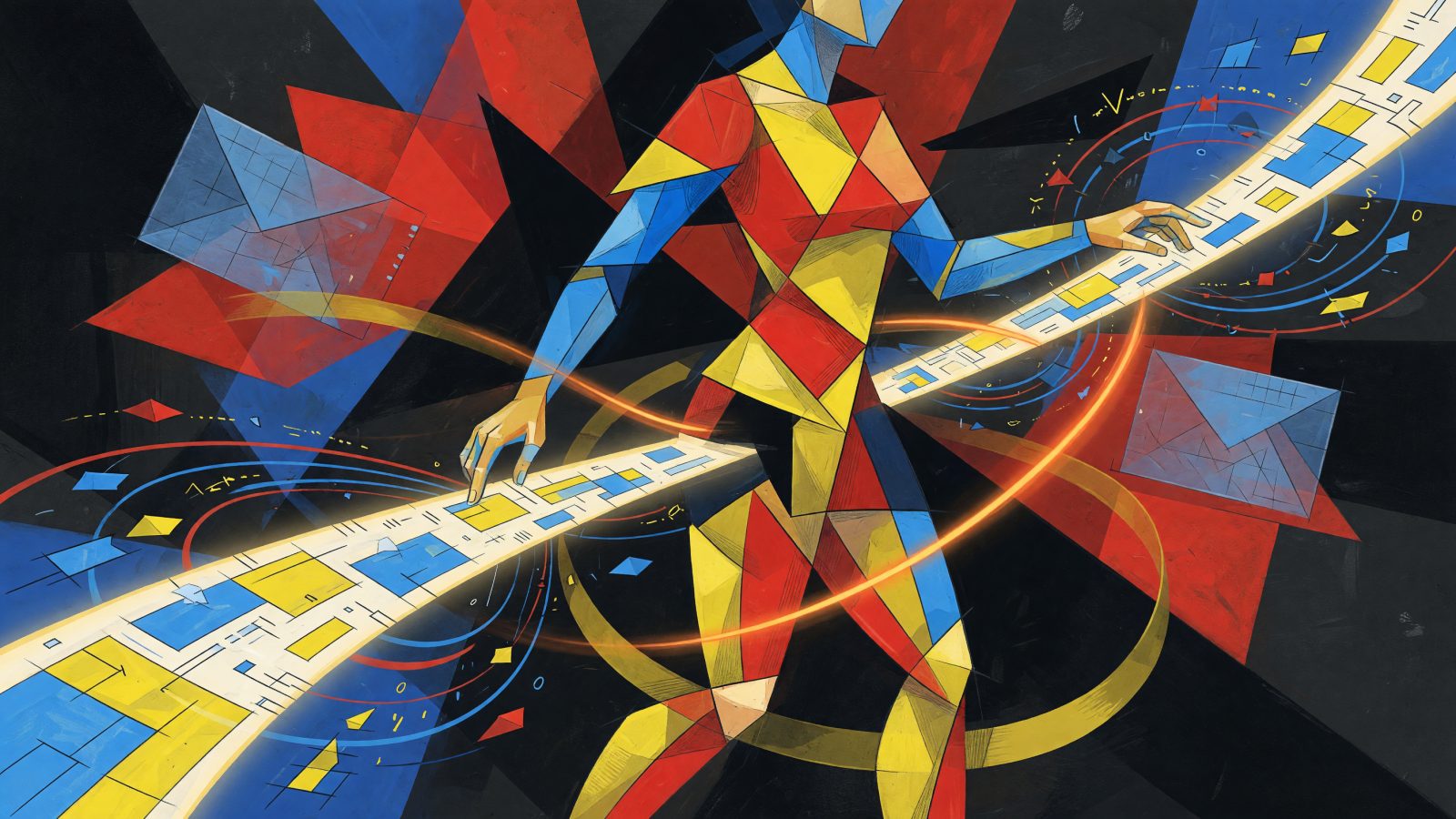
Most welcome emails hit inboxes like a limp handshake. You know the type: “Thanks for subscribing! Here’s 10% off.” It lands. It’s ignored. And within 48 hours, that new subscriber is gone — another ghost in your list. Traditional welcome sequences are static, one-size-fits-all, and they leak money. A Mailchimp study found segmented welcomes can lift open rates by 50% and clicks by 70%, yet most brands still blast the same generic hello to everyone. The cost? Litmus data shows delayed or irrelevant welcomes can chop long-term LTV by up to 25%. Your signup source, the quiz they just took, the product they lingered on — all that signal is wasted when you rely on manual drip campaigns. An ai email welcome sequence doesn’t guess. It reacts.
Why Traditional Welcome Sequences Leave Money on the Table
74% of subscribers expect an email the moment they sign up. That peak engagement window slams shut fast. A skincare brand I know was losing 30% of new subscribers within two days. Their welcome email offered a blanket 10% discount — even to someone who just filled out a sensitive-skin quiz. That subscriber needed an ingredient guide, not a coupon. A static sequence can’t pivot; an AI-driven one would have triggered a personalized guide instantly based on quiz answers.
Manual workflows force marketers to make broad assumptions about timing and content. You set a three-email drip, cross your fingers, and hope. But a subscriber who signed up from a webinar expects a follow-up deck, not the same promo you’d send a checkout popup lead. AI-powered welcome sequences classify intent on the fly, matching the email to the moment. The result isn’t just higher opens — it’s trust built in the first hour, fewer spam complaints, and a subscriber who actually looks forward to your next message.
How AI Predicts the Perfect Welcome Email Content and Offer
An ai email welcome sequence starts by ingesting zero-party data — signup forms, quizzes, preference centers — and blending it with first-party behavioral signals. Within milliseconds, the AI slots each subscriber into a micro-segment: bargain hunter, educational seeker, competitor researcher. Then it pulls a play from your highest-value customers.
Lookalike modeling compares a new subscriber to your top 5% high-LTV cohort. If those loyal customers converted after receiving a personalized demo video, the AI auto-generates a similar welcome for the newcomer — skipping the generic free trial link. For a SaaS tool, that might mean a subject line like “See how [Company] cut reporting time by 40%” with a one-click calendar booking. Natural language generation (NLG) engines dynamically write subject lines and body copy; a fitness app can pull a signup form name to say “Ready to crush your 5K goal, Sarah?” and see open rates jump 35%.
Real-time offer optimization takes it further. If a subscriber browsed premium products before signing up, the AI adjusts the welcome discount from 15% to free shipping. Tools like Dynamic Yield or EmailFlow AI’s API integrations make this possible. A simple rule in EmailFlow AI: “If subscriber joined from Instagram ad and clicked on product X, send a welcome series starting with a UGC video testimonial about X within 1 minute of signup.” That’s not guessing. That’s conversion engineering.
Dynamic Cadence: Let AI Decide When and How Often to Send
Most welcome sequences follow a rigid schedule: Day 0, Day 2, Day 5. But your subscribers aren’t robots. An ai email welcome sequence watches real-time engagement — opens, clicks, site visits, even email client and time zone — and adjusts cadence on the fly. A B2B lead who opens the first email but doesn’t click might get a 3-day pause and a plain-text re-engagement note. A highly engaged lead who clicks twice in the first hour? The AI accelerates the sequence, serving a webinar invite on Day 2 instead of Day 5. This stops the over-mailing that triggers 45% unsubscribe rates.
Tools like Seventh Sense or EmailFlow AI’s cadence optimizer predict the best send time per individual, often lifting reply rates by 27%. They also use fatigue scoring — monitoring negative signals like scroll depth without click or rapid deletion. When fatigue spikes, the AI throttles frequency or swaps in a lower-commitment content type (an infographic instead of a demo request). The 80/20 rule comes into play: AI focuses 80% of send volume on the 20% of subscribers showing early intent, reducing unsubscribes while maximizing early conversions. In EmailFlow AI, you set an “engagement threshold” slider, and the system handles the rest.
Integrating AI Welcome Flows with Your ESP and CRM for a Unified Journey
An ai email welcome sequence doesn’t live in a silo. EmailFlow AI sits as a middleware layer, pulling real-time data from ESPs like Klaviyo, ActiveCampaign, or Salesforce Marketing Cloud via API. It then pushes AI-generated templates and send triggers back into your existing workflow. This creates a unified customer profile that gets richer with every interaction.
Picture a real estate CRM: a new subscriber’s Zillow browsing history, captured via JavaScript snippet, triggers a welcome email with personalized property listings. All interactions log back into Salesforce, so agents see a predictive score like “early LTV potential” within 24 hours of a click. Event-driven triggers make the sequence truly behavior-responsive — a webhook fires a welcome email when someone finishes onboarding step 3 in your app, using Zapier or native integrations. And compliance? AI automatically includes physical addresses, one-click unsubscribe, and adapts to regional regulations based on IP geolocation, keeping you CAN-SPAM and GDPR safe without manual checks.
Measuring AI Welcome Sequence Success: Metrics That Matter Beyond Open Rates
Open rates are vanity. Focus on conversion-centric KPIs: welcome series conversion rate (subscriber to first purchase or qualified lead), time to first value (days until first app session), and early LTV uplift. Compare an AI-optimized cohort to a control group. EmailFlow AI’s dashboard visualizes this — often showing 40% more revenue per subscriber in the first 30 days.
Send time optimization lift tracks how much AI-driven timing improves click-to-conversion rates; internal tests show 15-25% gains. Run an A/B test against a random-send control group to see the difference. Attribution modeling then reveals the full journey: a welcome email might influence a purchase 7 days later via a retargeting ad, and the AI assigns partial credit in your CRM. That data justifies the investment. Finally, watch the 30-day re-engagement rate — how many non-converters re-engage after the AI adapts the welcome tail. This long-tail value proves dynamic sequences aren’t just a first impression; they’re a retention engine.
Getting Started: Your 7-Day AI Welcome Sequence Launch Plan
You can turn your generic hello into a self-improving revenue engine in a week. Here’s a day-by-day plan using EmailFlow AI:
- Day 1: Audit your current welcome sequence with the free sequence grader. It scans for personalization gaps and benchmarks against industry averages, handing you a score and quick wins like “add dynamic first name to subject line.”
- Day 2: Connect your ESP and data sources. The guided setup wizard auto-maps fields like signup_source and last_product_viewed from your signup forms, tracking pixels, and CRM.
- Day 3: Build your first AI-powered template using drag-and-drop blocks that pull real-time data — recently viewed items, location-based offers — with live previews for mobile and dark mode.
- Day 4: Set up engagement-based branching. In the visual flow builder, define rules like “if subscriber clicks but doesn’t buy within 48 hours, send a social proof email with reviews from similar customers.”
- Day 5: Activate cadence optimization and run a 50/50 A/B test of AI-determined send times vs. your usual schedule. Monitor the send time lift dashboard; AI can declare a winner at 95% confidence automatically.
- Day 6: Review compliance and analytics. Ensure all emails pass spam checks and GDPR scans, then customize the early LTV report for stakeholders.
- Day 7: Launch to a small segment and switch on “auto-optimize” mode. The AI continuously refines content, offers, and timing based on performance. Your welcome sequence now learns on its own.
An ai email welcome sequence isn’t about replacing your marketing instincts — it’s about scaling them. When every new subscriber gets the right message at the right moment, you stop leaking potential and start building relationships that pay off for months. The tools exist. The data is already there. All that’s left is to turn it on.
Keep reading
AI-Powered Email Marketing for Influencers: Automate Fan Engagement and Sponsorship Deals
AI-Powered Email Cross-Sell Automation: Turn One Purchase into a Bundle of Revenue