AI-Powered Email Re-Engagement Automation: Win Back Inactive Subscribers on Autopilot
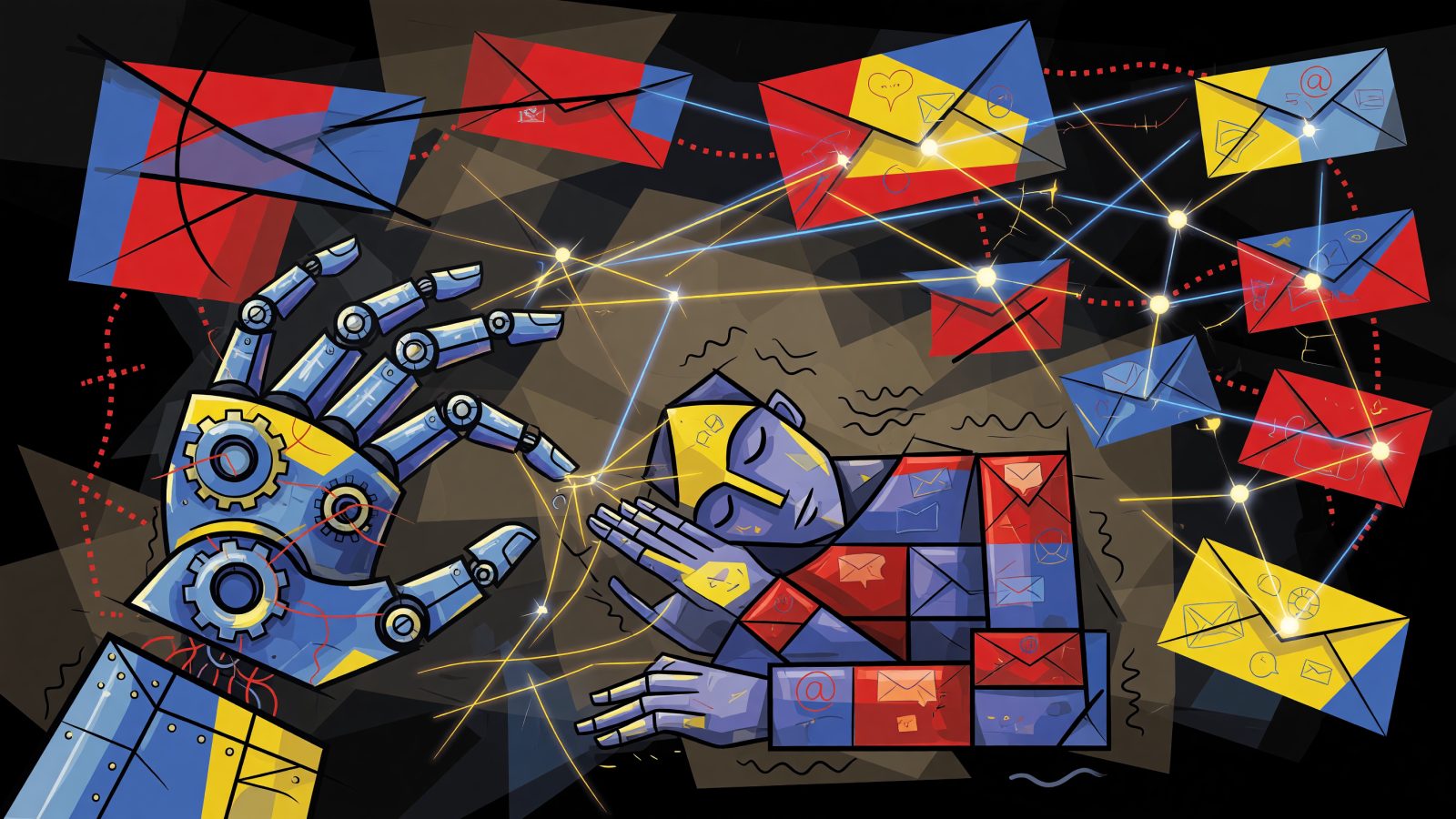
You’ve seen the numbers. 20% of your email list goes dormant every year, bleeding revenue and dragging down engagement metrics. The old playbook? Fire off a generic “We miss you” email to everyone who hasn’t opened in 90 days. That’s like throwing spaghetti at a wall. AI re-engagement email automation changes the game entirely. It uses machine learning to spot the subscribers who are about to leave, figure out what might pull them back, and run the whole win-back sequence without you touching a single rule. And it does it while protecting your sender reputation like a hawk.
What AI Re-Engagement Email Automation Actually Means
Forget basic rule-based automations that send the same email to all inactive contacts. AI re-engagement email automation uses machine learning to predict disengagement, segment subscribers by their value and behavior, and dynamically generate personalized content, offers, and send times — all on autopilot. Marketers using AI for email see a 41% increase in revenue per email (Statista, 2023). That’s not a typo. It’s the result of AI spotting subtle signals that a human would miss: a subscriber who stopped opening but still visits the pricing page, or one who clicked a link three months ago and then went silent. The AI doesn’t just react; it anticipates. It scores each contact’s risk of churning, then triggers a multi-step journey that adapts in real time. The outcome: higher win-back rates, less manual work, and a protected sender reputation because the system automatically suppresses those who are truly un-winnable.
Predictive Segmentation: Catch the Faders Before They’re Gone
Your ESP probably tracks opens and clicks. AI tools like Custify, Optimove, or Klaviyo’s predicted churn layer on top of that data, analyzing historical engagement patterns to assign a disengagement risk score. A SaaS company using this might flag a user who hasn’t logged in for 14 days. The AI knows that logins are the real heartbeat, not just email opens. Immediately, a re-engagement sequence kicks off — before the user even thinks about canceling.
But not all inactive subscribers are equal. AI calculates customer lifetime value (CLV) and segments accordingly. High-value inactives who used to spend big might get a 20% off offer. Low-value ones with a single purchase get a simple “We’ve got new stuff” message. This prevents you from burning margin on offers that won’t pay back. You can integrate these AI predictions with your ESP using APIs or native integrations (ActiveCampaign with Salesforce Einstein, for example). The segments update in real time, so no one slips through. And here’s the kicker: AI can also identify the “un-winnable” — subscribers with zero engagement history and no behavioral signals. It automatically suppresses them from the journey, saving your sender reputation from the spam complaints they’d otherwise generate.
Dynamic Content and Offer Generation That Feels 1:1
Sending the same “come back” email to everyone is a recipe for the trash folder. AI copywriting tools like Phrasee or Persado generate subject lines and body copy tailored to each subscriber’s past behavior. An e-commerce brand might use AI to craft a win-back email that features the exact product category the subscriber browsed but didn’t buy, complete with a dynamic discount code. The AI even tests emotional triggers — urgency, curiosity, social proof — across different segments in real time, learning which ones work best.
Tools like Movable Ink take it further with AI-driven image personalization, pulling a subscriber’s abandoned cart items right into the email body. Generative AI scales this to thousands of unique variations. Instead of a handful of templates, you get a machine that writes a personalized email for every single contact. The AI constantly refines its approach based on open and click data, so your re-engagement copy gets smarter with every send.
Optimize Send Timing and Frequency Without Guesswork
When you send matters as much as what you say. AI algorithms analyze individual open-time patterns to determine the optimal send time for each subscriber. Tools like Seventh Sense or Mailchimp’s Send Time Optimization do this quietly. A B2B marketer might see a 30% lift in re-engagement opens just by sending at the moment the AI predicts the subscriber is at their inbox.
Frequency optimization is equally important. The AI adjusts the cadence of the re-engagement sequence based on engagement signals. A subscriber who ignores the first email gets a longer delay before the next touch. Someone who opens but doesn’t click receives a follow-up sooner. This is easy to set up with tools like Customer.io or Braze, where you can build AI-triggered delays between journey steps — wait 2 days if unopened, 4 days if opened but no click. No more one-size-fits-all schedules.
Multi-Step Journeys That Learn and Adapt
A typical AI-powered re-engagement journey might look like this: Day 0 — an AI-generated “We miss you” email with a personalized subject line. Day 3 — a behavior-based product recommendation pulling from browse history. Day 7 — a last-chance offer with a dynamic discount. Day 14 — a final “breakup” email, and if no response, automatic suppression. The AI learns from every outcome. If a specific offer works for a segment, it applies that insight to similar subscribers in the next campaign. This is reinforcement learning in action: the sequence adjusts in real time, adding or skipping steps based on engagement. HubSpot’s AI workflows and Salesforce Marketing Cloud’s Einstein Engagement Scoring make this kind of journey branching straightforward. The key is to feed the AI rich data from your CRM and CDP, so it can personalize every touchpoint with precision.
Protect Your Sender Reputation on Autopilot
A re-engagement campaign that pounds unresponsive addresses is a fast track to the spam folder. AI automatically suppresses non-responders after a set number of attempts, protecting your domain reputation. You can even integrate list verification tools like NeverBounce directly into the AI workflow to validate emails before sending, cutting bounce rates. The real magic is the feedback loop: AI monitors engagement metrics and dynamically adjusts suppression rules. Let’s say a previously inactive subscriber suddenly opens an email after months. The AI removes them from the suppression list and re-enters them into a nurturing journey. An online retailer saw a 25% drop in spam complaints after implementing AI-driven suppression. Monitor deliverability through platforms like 250ok or Everest, and let the AI use that data to fine-tune your sending practices.
The next time you think about reactivating a silent subscriber, ask yourself: is it worth doing it manually? With AI re-engagement email automation, you stop guessing who’s worth saving, what to say, and when to send. You get a system that not only wins back more customers but also keeps your list clean and your reputation intact. Set it up, watch it learn, and let the machine do the heavy lifting.